
How to Pay in China as a Foreigner in 2026: Alipay, WeChat Pay, Cash & Cards
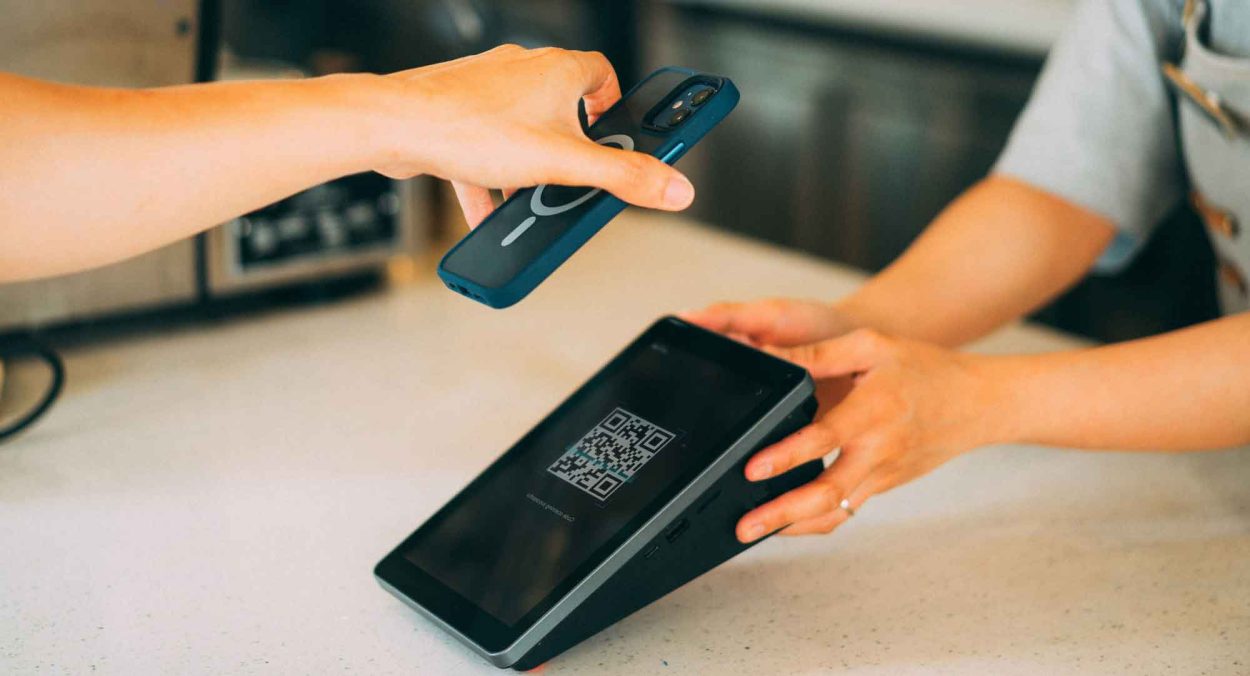
If you’re wondering how to pay in China as a foreigner, you’ve probably already heard the standard advice: set up Alipay before you go, link your card, and you’re set.
We did exactly that. It still didn’t work.
When we arrived in China in July 2026, Alipay suddenly required another round of verification and ultimately locked us out. For the first few days, we relied on cash withdrawn with our Wise card. Then we set up WeChat Pay — and that was the payment method that finally worked for us.
Here’s exactly how we paid in China, what went wrong with Alipay, and the payment setup we’d recommend to other foreign travelers now that we’ve done it the hard way.
TL;DR: Best Ways to Pay in China as a Foreigner
If you just want the short answer, don’t travel to China relying on one payment method. Based on our experience, we’d have these ready:
- WeChat Pay and Alipay — set up both before your trip so you have two QR-code payment options.
- An international Visa or Mastercard — link your card to both apps if supported and bring a second card as backup.
- Wise or another international debit card — useful for withdrawing RMB from an ATM if mobile payments fail.
- Chinese yuan (RMB) in cash — keep enough for your first day or two and emergencies.
For us personally, WeChat Pay ended up working far better than Alipay. But that’s our experience, not a guarantee that one app will work better for every traveler.
Jump to:

Disclaimer: Some of the links on this website are affiliate links, meaning We may receive a benefit if you sign up through our link, at no extra cost to you. For additional details, please check our Privacy Policy.
Our Alipay Problem After Arriving in China
Weeks before the trip, we downloaded Alipay, added our card, and completed the verification steps everyone recommends. On paper, we were done.
Then, after we arrived in China, Alipay made us go through verification all over again — this time asking for a live video selfie and another passport upload.
That’s where it fell apart.
The name on the credit card wasn’t an exact match to the name on the passport because of a different surname, so Alipay wouldn’t accept it. We tried a driver’s license as backup ID — it had the same surname as the card, so we figured that might work — but Alipay rejected it too.
It wasn’t just a name-mismatch problem, either.
Our travel companion’s card and passport names matched exactly — no mismatch at all — and Alipay still wouldn’t verify the account. No clear reason was given, just repeated rejection through the same video selfie and passport upload process.
Two different people. Two different situations. Same result: blocked.
If the name on your card differs from your passport — because of a married name, maiden name, spelling variation, or another reason — be prepared for additional verification. But our experience also showed us that even perfectly matching names don’t guarantee a trouble-free setup.
That’s why we wouldn’t travel to China with Alipay as our only payment option.
Our Backup: Withdrawing Cash With Wise
We had loaded our Wise card before the trip specifically as a backup, and it turned out to be what got us through the first few days.
When Alipay wasn’t working, we used our Wise card to withdraw RMB from ATMs and paid cash for roughly the first three days — street food, the metro, small local shops, and tips for our driver.
One reason we like Wise for international travel is that it’s a multi-currency account. You can hold and convert multiple currencies in one account, see the exchange rate and conversion fee before exchanging, and use the same card across different countries. For a trip like ours that involved multiple countries, that meant one account could travel with us instead of setting up a different payment solution for every destination.
Cash worked, but a couple of things are worth knowing if you end up doing the same:
- ATM fees can add up if you’re withdrawing cash frequently, so check your withdrawal limits and fees before your trip.
- Withdraw enough that you’re not constantly looking for another ATM.
- Keep some smaller bills when possible. Small vendors may not always have change for a large note.
- Don’t wait until you’re completely out of cash before finding your next ATM.
- If an ATM offers to convert the withdrawal into your home currency, check the rate carefully. The ATM operator may be doing the conversion rather than Wise.
Wise wasn’t necessarily our cheapest option for every transaction, and we didn’t use it because we thought it would replace Alipay or WeChat Pay. Its value for us was flexibility: we could manage multiple currencies while traveling and, when our original China payment plan failed, we still had a way to access cash.
If you want to have the same kind of backup before your trip, you can sign up for Wise here and have your account and card ready before you leave.
Taking the Kids to China? Start Here.
China takes more prep than most trips.
Payments, internet, apps and transportation work differently. Get our free China Travel Cheat Sheet with the practical things we used and learned on our trip.
Enter your email and I’ll send it straight to your inbox.
No spam—just the cheat sheet and occasional practical family travel tips. Unsubscribe anytime.
WeChat Pay vs. Alipay for Foreigners: What Worked for Us
A few days into the trip, we set up WeChat Pay and connected it directly to a credit card.
WeChat Pay wasn’t an instant fix either. We set it up and linked a credit card early on, but it didn’t work right away — same kind of frustrating dead end as Alipay at first. We kept relying on cash from the Wise card during that stretch.
Then, a few days in, WeChat Pay just started working. We didn’t relink the card or redo verification — it simply went from failing to functioning on its own, with no clear trigger. From that point on, WeChat Pay and the Wise card became our two real payment methods for the rest of the trip — WeChat for anything with a QR code (which is almost everything), Wise card as backup when WeChat had a hiccup or a vendor only took cards.
If we did this trip again, we’d still set up WeChat Pay before flying, but we wouldn’t expect it to work immediately — plan on a few cash-only days regardless of how carefully you set things up.
Our Actual China Payment Stack
Once everything was working, this was roughly our order of use:
- WeChat Pay linked to a credit card — used for most everyday purchases.
- Wise card — used for ATM cash and as another card option.
- Cash — especially important during our first few days.
- Alipay — set up before the trip but ultimately unusable for us after the verification problem.
That’s different from what we expected before traveling. Your experience may be completely different, but ours is a good example of why having multiple payment methods matters in China..
How to Set Up Alipay and WeChat Pay Before Traveling to China
Since Alipay let us down, here’s how we’d prepare both apps before another China trip.
Alipay
- Download the standard Alipay app rather than a regional version such as AlipayHK.
- Register using your phone number.
- Add your supported international bank card.
- Complete the identity/passport verification requested by the app.
- Set your payment password and enable transaction notifications.
WeChat Pay
- Download WeChat and register with your phone number.
- Open Me → Services → Wallet. Menu wording may vary by app version.
- Add your international card under Cards.
- Complete the identity verification requested by the app.
- Set your payment password.
We’d do all of this before flying and keep access to the phone number used for verification. More importantly, we’d try to get both payment methods ready instead of waiting until one fails in China.
Do Foreigners Need a Chinese Bank Account?
No Chinese bank account was needed for our setup. We linked foreign-issued cards to the mobile-payment apps. Requirements and supported cards can change, however, so check the current instructions inside Alipay and WeChat before your trip.
Payment Limits and Fees
Foreign-linked cards can be subject to transaction limits, identity-verification requirements, and fees. These rules can change, so don’t rely on an old limit quoted in a travel blog — including this one. Check the current limits and any fees shown inside the payment app before traveling or making a large purchase.
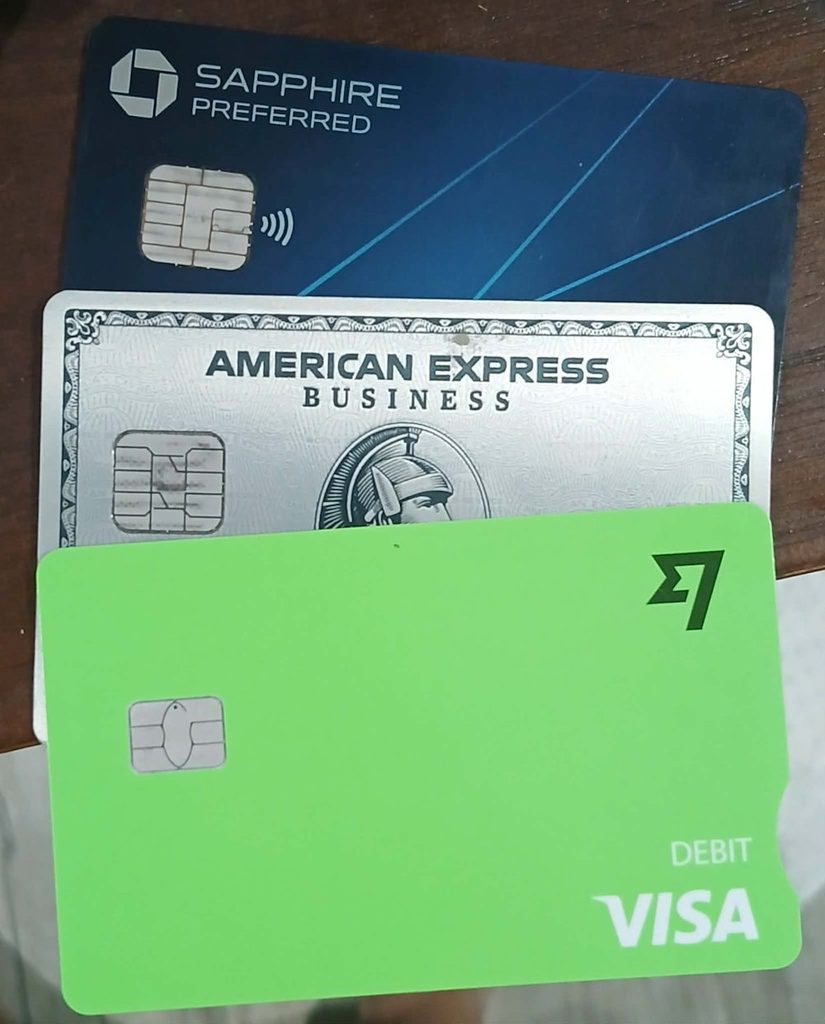
Which International Credit Cards Work in China?
There are really two separate questions:
- Will your card work when linked to Alipay or WeChat Pay?
- Will a merchant accept your physical foreign card directly?
Those aren’t necessarily the same thing.
Major international card networks may be supported for foreign visitors, but support can differ by payment platform, card issuer, merchant, and transaction.
For that reason, we’d bring at least two cards rather than relying on a single credit card, preferably from different issuers if possible.
Also make sure your bank has your current phone number and email address and that you can receive security alerts while abroad. If your issuer offers international-use controls or travel settings, check them before leaving.
Can Foreigners Use Credit Cards Directly in China?
Yes, foreign credit cards can work in China, particularly at businesses that accept international card networks. But based on our experience, we would not travel with a physical foreign credit card as our only way to pay.
Direct card acceptance was much less reliable for us at smaller and more local businesses.
QR-code mobile payments were far more useful for our everyday purchases, which is why linking a foreign card to WeChat Pay or Alipay can be so valuable.
Can You Use Cash in China? ATMs and RMB for Foreigners
Yes. We used cash extensively during our first few days in China when our mobile-payment setup wasn’t working.
For us, cash wasn’t obsolete at all — it was our safety net.
A few practical tips from our trip:
- Withdraw enough that you’re not constantly returning to an ATM.
- Check your own bank/card’s international ATM fees before traveling.
- Keep smaller bills when possible.
- Don’t wait until you’re completely out of cash before looking for another ATM.
- Keep your cash separate from your backup card.
Our Wise card was particularly useful because it allowed us to withdraw RMB when Alipay wasn’t working.
Another Option: e-CNY
Foreign visitors may also encounter China’s digital yuan, or e-CNY, as another payment option. We didn’t use e-CNY during this trip, so we can’t give a firsthand review of how well it works for foreign tourists.
For that reason, we’re not including it in our recommended payment stack — but it’s worth knowing the option exists.

Tipping in china and Scams to Watch For
Tipping is not customary in mainland China. Restaurants, taxis, and tour guides generally don’t expect it, and offering it can sometimes cause confusion rather than appreciation. High-end hotels catering to international travelers may be an exception, but you won’t be expected to tip the way you would at home.
A few common payment-related scams and mistakes worth knowing about:
- Fake QR code overlays. Occasionally scammers place a sticker with their own QR code over a legitimate vendor’s payment code. Glance at the merchant’s app screen to confirm the name matches the business before confirming a payment.
- Counterfeit cash. Rare with foreigners since most transactions are digital, but if you’re paying cash for a larger amount, use ATM-sourced bills rather than street currency exchange.
- Unofficial currency exchange. Stick to banks or your hotel for exchanging cash — street-side “exchange” offers are a common tourist scam.
Tips for Paying in China as a Foreigner
If we were preparing for the same trip again, here’s what we’d do:
- Set up both Alipay and WeChat Pay before leaving home.
- Link more than one eligible card if possible.
- Make sure your passport information and cardholder information are entered correctly.
- Keep access to the phone number you used to register the apps.
- Bring Wise or another ATM-capable debit card as a backup. Wise was what we personally used to withdraw RMB when our Alipay setup failed.
- If you’re traveling to multiple countries, a multi-currency account like Wise can also be useful for holding, converting, and spending different currencies from the same account.
- Bring some cash for your first several days, in case both apps give you trouble on arrival — for us, WeChat Pay didn’t kick in until a few days into the trip.
- Don’t assume your physical foreign credit card will be accepted everywhere.
- Check transaction limits and fees directly in the apps before your trip.
- Keep your backup card separate from your primary card.
- Test your payment options as early as possible after arriving rather than discovering a problem when you urgently need to pay.
The biggest thing we’d change is redundancy. Before our trip, we thought having Alipay set up plus a few cards was enough. After what happened, we’d arrive with Alipay, WeChat Pay, a separate ATM card, and cash all ready to go.
If you’re looking for a travel card that can also handle multiple currencies, you can sign up for Wise here. It’s what we used during our trip, so it’s the option we can personally speak to.
Taking the Kids to China? Start Here.
China takes more prep than most trips.
Payments, internet, apps and transportation work differently. Get our free China Travel Cheat Sheet with the practical things we used and learned on our trip.
Enter your email and I’ll send it straight to your inbox.
No spam—just the cheat sheet and occasional practical family travel tips. Unsubscribe anytime.
China Payment FAQ
What is the best way to pay in China as a foreigner?
For most travelers, we’d prepare Alipay and WeChat Pay with supported international cards, plus a debit card for ATM withdrawals and some RMB cash as backup. We wouldn’t rely on any single payment method.
Can foreigners use Alipay in China?
Yes. Foreign visitors can use Alipay with supported international cards, subject to Alipay’s current verification requirements and card support. Our Alipay account worked during setup before the trip but required additional verification after we arrived, which we weren’t able to complete successfully.
Can foreigners use WeChat Pay in China?
Yes. We connected an international credit card to WeChat Pay during our trip and used it successfully for most of our everyday purchases after that.
Which is better for foreigners: Alipay or WeChat Pay?
We wouldn’t declare one universally better. In our case, WeChat Pay worked while Alipay didn’t. Another traveler may have the opposite experience. That’s exactly why we’d set up both.
Do I need a Chinese bank account to use Alipay or WeChat Pay?
Not necessarily. Foreign visitors can link supported international cards to these services. We used a foreign credit card with WeChat Pay without opening a Chinese bank account.
Can I use a US credit card in China?
Yes, but don’t assume you’ll be able to swipe or tap a foreign card everywhere. We found our foreign cards much more useful when connected to mobile-payment services than when trying to pay directly at smaller businesses.
Can I use cash in China?
Yes. We paid cash for roughly the first three days of our trip after having problems with Alipay. We would always carry at least some RMB as a backup.
What should I do if Alipay doesn’t work in China?
Don’t keep fighting with one payment method if you have alternatives. Try your second mobile-payment app, use an ATM-capable debit card to withdraw RMB, and keep cash available while you troubleshoot the problem.
That’s exactly what we ended up doing.
Why did Alipay stop working after we arrived in China?
In our case, Alipay requested another round of identity verification involving a live video selfie and passport upload after we arrived.
One account had a surname mismatch between the card and passport. However, our travel companion had matching information and still couldn’t complete verification, so we can’t say with certainty why every verification attempt failed.
Do you tip in China?
Tipping generally isn’t customary in mainland China the way it is in the United States. For specialized private tours or international hotels, check what is customary for that particular service rather than assuming US tipping practices apply.
What We’d Do Differently Next Time
Before this trip, we thought our China payment plan was simple: set up Alipay, link a card, and go.
After actually traveling in China, we’d prepare very differently.
We’d have Alipay and WeChat Pay ready, at least two cards, an ATM-capable debit card, and some RMB cash from the beginning.
For us, that backup debit card was Wise. When Alipay wasn’t working, our Wise card gave us a way to withdraw RMB and keep going.
Wise is also useful beyond China because it’s built for international, multi-currency use. You can hold and convert multiple currencies in one account and use the same card while traveling between countries. That’s particularly useful for multi-country trips, where you’re dealing with several currencies along the way.
Alipay didn’t work for us after we arrived. Cash got us through the first few days. Then WeChat Pay made everyday purchases and share rides dramatically easier.
The biggest lesson wasn’t that Alipay is bad or WeChat Pay is better. It was that no foreign traveler should arrive in China depending on one app, one card, or one way to access money.
Give yourself backups before you fly.
If you want Wise as part of your own travel payment setup, you can sign up for Wise here →
We did China payments the hard way. Hopefully, you won’t have to.
Save for later
More China Travel Guides and Tips:
- 2 Day Great Wall of China Itinerary: Jinshanling, Gubeikou & Mutianyu
- How to Pay in China as a Foreigner in 2026: Alipay, WeChat Pay, Cash & Cards
- Jian Guo Garden Hotel Review: Our 2026 Beijing Stay
- 5 Day Beijing Itinerary With Kids
- 25 Essential Beijing Travel Tips for First-Time Visitors
- How to Get Internet in China: SIM, eSIM & VPN Guide (2026)
- We Slept Inside a Great Wall Watchtower: What It Was Really Like
- Is the Great Wall of China Hard to Climb? What It’s Really Like
- What Is China Really Like? 17 Things We Didn’t Understand Until We Went







One Comment