25 Essential Beijing Travel Tips for First-Time Visitors (2026)

Planning your first trip to Beijing raises a lot of practical questions: Will Google work? Can foreigners use Alipay? Should you carry cash? How do you get around? Which Great Wall section should you visit?
Here are 25 Beijing travel tips worth knowing before your first trip, including what worked—and didn’t work—for us traveling with our 6-year-old.

What's In This Article?
Disclaimer: Our blog posts contain affiliate links. These don’t cost you anything, but they allow us to keep this site running and keep providing free content for our readers.
Internet, Phones & Apps
1. Set Up Your Internet Before You Fly
Google, Gmail, WhatsApp, Instagram, Facebook and YouTube are blocked or restricted on normal mainland Chinese internet connections.
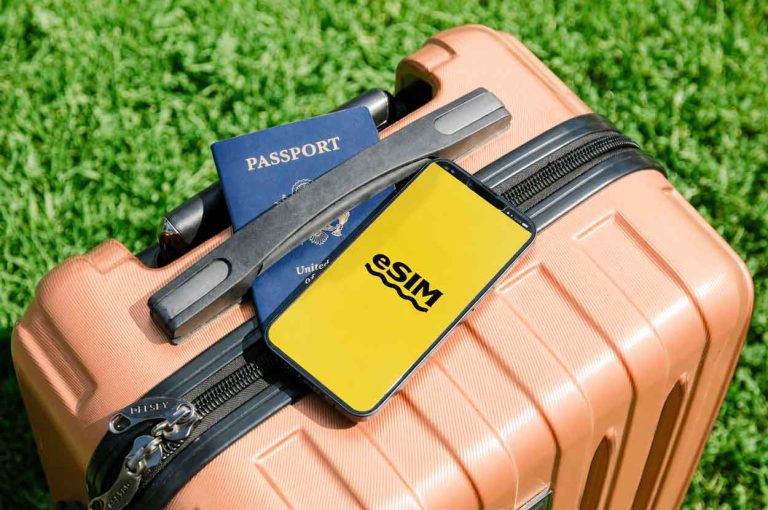
If you’re using a VPN, install and test it before leaving home. Some internationally routed travel eSIMs can access blocked services without a separate VPN.
2. An International eSIM May Be Easier Than a VPN
Some travel eSIMs route data outside mainland China, allowing Google, WhatsApp and social media to work directly over cellular data.
Not every eSIM works this way. Check how the plan routes its China data before buying.
3. Most Short-Term Visitors Don’t Need a Chinese SIM
An eSIM is usually easier if your phone supports one.
We used a physical SIM on a Chinese network paired with a VPN, and it worked well for us. A local Chinese SIM can make sense if you need a Chinese number or are staying longer.
4. Download Your Essential Apps Before You Go
At minimum, have:
- Alipay
- Your eSIM/SIM or VPN app
- An offline or China-compatible map
- Airline and hotel apps
- Banking apps
Download and log into everything before departure.
For the setup we used and the differences between SIMs, eSIMs and VPNs, see our China internet guide.
Alipay, WeChat Pay and Money
5. Set Up Both Alipay AND WeChat Pay
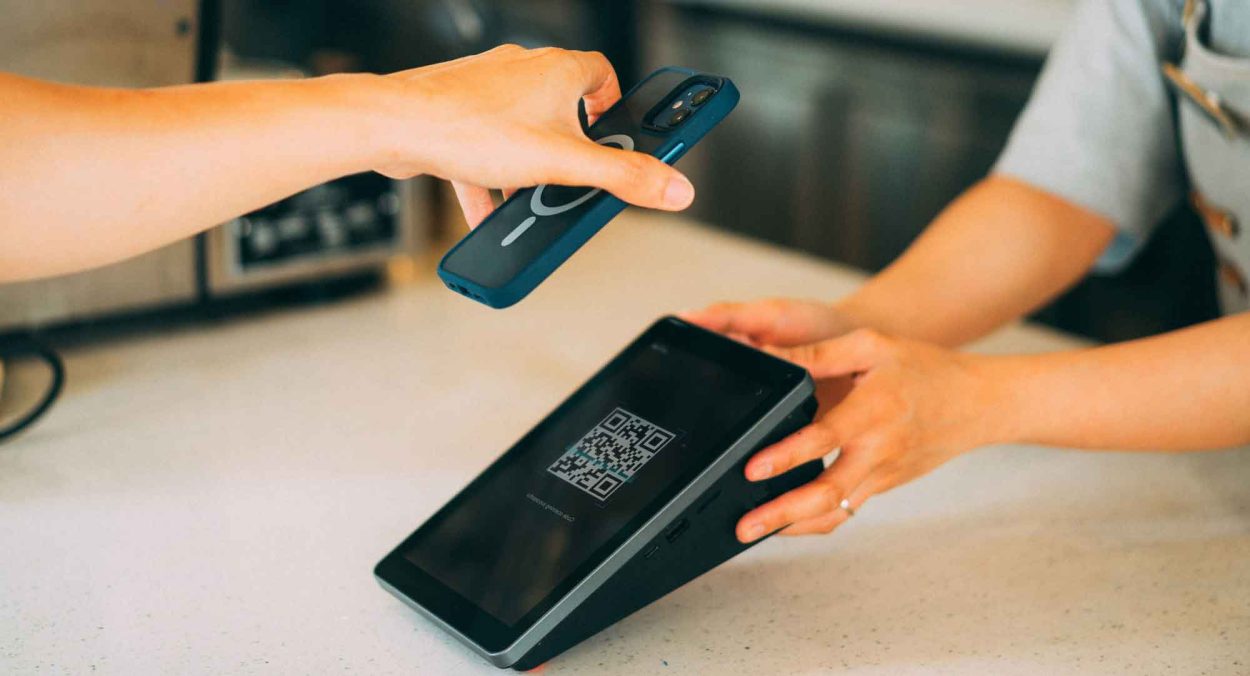
Foreign visitors can register for both and link supported international cards.
Set up both rather than relying on one.
We had both ready before arriving. Alipay later failed a re-verification because of a passport-name mismatch. WeChat Pay didn’t initially work either, then started working a few days later.
Having two options mattered.
→ Read: How to Pay in China as a Foreigner
6. Make Sure Your Name Matches Your Passport
Use your passport name as closely as possible when setting up payment apps, especially if your cards use a maiden name, married name or different middle name.
A name mismatch caused our Alipay verification problem.
7. Bring More Than One Credit or Debit Card
Alipay and WeChat Pay support many foreign cards, but that doesn’t guarantee every transaction will go through.
Your bank or the payment platform can still decline a transaction.
Bring at least two cards from different issuers if possible.
8. Carry Some RMB
China runs heavily on mobile payments, but RMB cash is still a valid and useful backup when your phone, app, internet or card stops cooperating.
We needed cash during the first part of our trip while our payment apps were giving us trouble.
9. Foreign Cards Can Work at ATMs
Look for an ATM displaying your card network.
ATM withdrawals became our most dependable backup when our mobile payments weren’t working. A debit card with low international ATM and foreign-transaction fees is useful.
If you want to have the same kind of backup before your trip, you can See the Wise card we used as a payment backup → and have your account and card ready before you leave.
10. Don’t Withdraw Your Entire Trip Budget
Carry enough RMB for transportation, food and basic expenses if your electronic payments stop working.
Keep some smaller notes too.
11. Payment Limits Can Change
Foreign cards linked to Alipay and WeChat Pay can have transaction limits, and your bank may impose additional restrictions.
Check the current limits in the apps rather than relying on an old online figure.
12. You Usually Don’t Need to Tip
Tipping isn’t customary for ordinary restaurant meals, taxis and everyday services in mainland China.
Private guides and specialty tours can be different, so check what is expected for your specific booking.
Getting Around Beijing
13. Stay Somewhere Central
Beijing is enormous.
Choose your hotel based on location and subway access, not price alone.
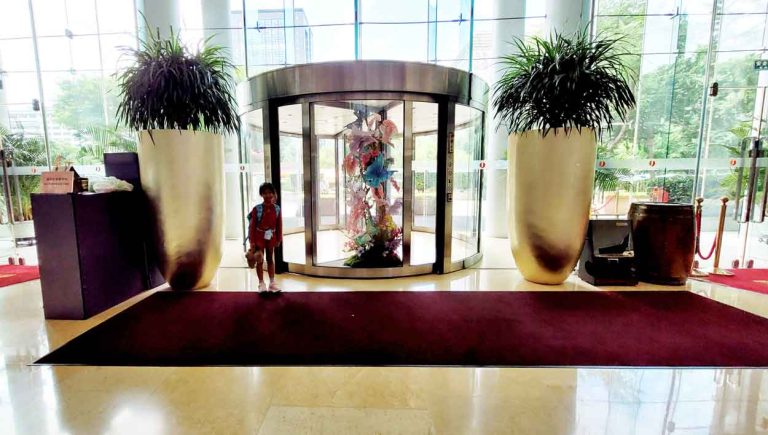
We stayed in Dongcheng at Jian Guo Garden Hotel, which worked well for sightseeing and tour pickups.
→ Read our Jian Guo Garden Hotel review
Compare Beijing hotels near Wangfujing & the Forbidden City →
14. Use the Beijing Subway
The subway is inexpensive, extensive and one of the fastest ways around Beijing.
Major stations have English signage, although large interchange stations can still be confusing.
Save the routes you need before heading out.
15. Foreign Bank Cards Can Be Used on the Subway
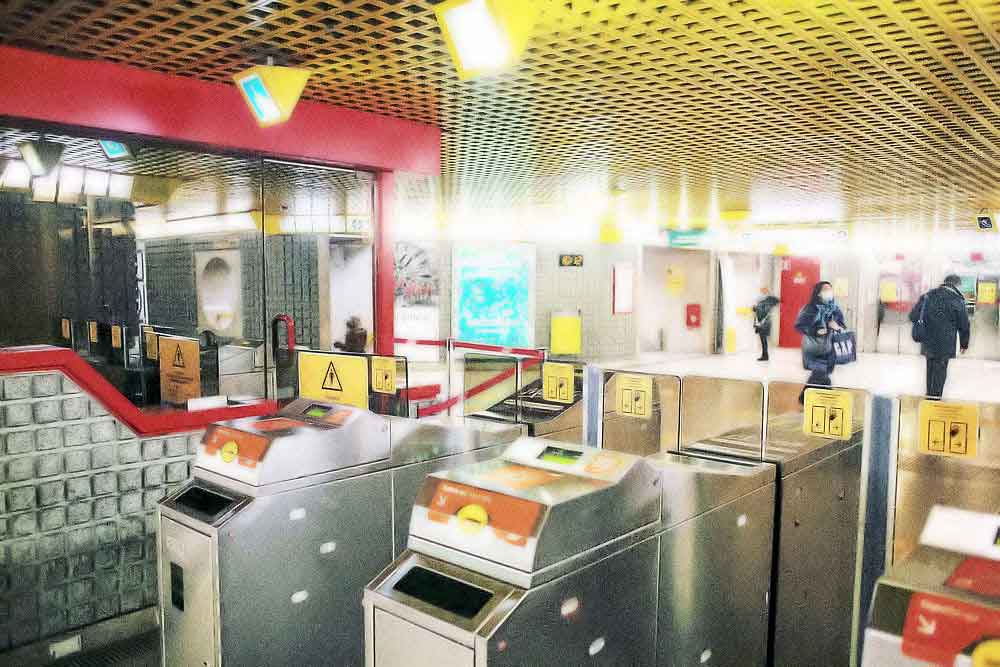
Beijing’s subway now supports direct tap-and-go with UnionPay, Mastercard, Visa, JCB and American Express. With a supported contactless card, you can tap through the fare gate without buying a separate ticket or downloading a subway app.
Check current accepted card types before your trip, but don’t assume you need to buy a separate transit card.
16. Use DiDi When the Subway Isn’t Convenient
DiDi is China’s main ride-hailing service and is especially useful when traveling with kids, luggage or somewhere far from a station.
You can access DiDi through its own app and through platforms such as Alipay and WeChat. We used it through WeChat.
One thing we learned quickly: smoking is common in China, and our first DiDi smelled strongly of cigarette smoke. If the app gives you vehicle or preference options, check them before confirming.
If you’re having trouble arranging a ride, ask your hotel. Our front desk helped us more than once.
Skip the taxi line — book an airport pickup in advance
17. Compare High-Speed Rail With Flying
If you’re traveling beyond Beijing, don’t automatically book a flight.
China’s high-speed trains connect major cities and can be easier once you account for airport transfers, check-in and security.
Beijing Attractions and Tickets

18. Book Major Attractions in Advance
Don’t assume you can simply arrive and buy a ticket.
The Forbidden City requires advance booking. International visitors can currently reserve up to seven days ahead using their passport information; check the Palace Museum’s current ticket instructions before your visit because booking procedures can change.
Use the passport you’ll actually carry and bring it with you on the day of your visit.
Tip: For overseas visitors using international cards linked to Alipay or WeChat Pay, current guidance lists limits of US$5,000 per transaction and US$50,000 per year. These rules can change, and individual banks may impose their own limits, so check the current terms inside the app before a large purchase.
Visiting the Great Wall from Beijing

Visiting the Great Wall From Beijing
19. Mutianyu Is the Easiest Great Wall Choice for Most First-Time Visitors
Mutianyu is restored, easy to reach and has cable-car access.
There’s also a famous toboggan, although the line can get very long. We planned to take it but skipped it because of the wait and used the chairlift instead.
For families or travelers who want to see the Great Wall without a long hike, Mutianyu is a solid choice.
20. Choose Jinshanling If You Want to Hike
Jinshanling was our favorite.
It’s quieter and more rugged, with long mountain views and far fewer people during our visit.
We hiked for about 3–4 hours with our 6-year-old.
If you want to see the Great Wall, Mutianyu is easier.
If you want to hike and experience it, we’d choose Jinshanling.
21. Don’t Assume You Can Camp Anywhere on the Great Wall
Camping and access rules vary by section.
We did a two-day trip where we hiked Jinshanling, slept inside a watchtower at Gubeikou and visited Mutianyu the next morning.
Our overnight was arranged through a local tour company familiar with the area.
→ Read: Our 2-Day Great Wall Camping Trip
22. The Great Wall Is Harder Than Photos Make It Look
Expect steep stairs, uneven stone, elevation changes and sections with little shade.
Even restored sections such as Mutianyu involve plenty of walking.
Wear shoes with good grip and carry water.ill be on your feet a lot. Wear shoes with real grip, carry water, and don’t plan anything demanding for right after — you’ll want the rest.
Beijing Culture & Practical Tips
23. Expect Crowds
Popular attractions and subway stations can get extremely crowded.
Personal space, queuing and communication may also feel different from what you’re used to.
Give yourself extra time at major attractions instead of scheduling everything back-to-back.
24. Don’t Assume Photography Is Allowed Everywhere
Photography is common at tourist sites, but watch for restrictions at museums, checkpoints, government buildings and military areas.
If you want a close-up photo of someone, ask first.
Good to Know in Beijing
Do You Need to Speak Chinese to Visit Beijing?
No. We traveled around Beijing without speaking Chinese, but having your phone set up properly makes things much easier. English isn’t something I would rely on everywhere, so keep hotel and attraction names available in Chinese and have a translation app ready.
Hotel staff also helped us when we needed assistance, including arranging rides.
Tip: Screenshot your hotel’s name and address in Chinese before leaving. You can show it to a driver or someone helping you if translation isn’t working.
Are Squat Toilets Common in Beijing?
Yes. Squat toilets are common in Beijing, especially in public restrooms and at tourist sites, although Western-style seated toilets are also available in many places. Don’t assume every stall will have one.
With a young child, the bigger issue is simply being prepared. Check the stalls before lining up, and use a Western-style toilet when you find one if that’s easier for your child.
Carry tissues or toilet paper and hand sanitizer. Some public restrooms may not have toilet paper inside individual stalls, so keeping a small pack in your day bag is useful.
If your child has never used a squat toilet, explain how it works before the trip rather than figuring it out for the first time in a busy restroom.
Parent tip: Keep a small bathroom kit in your day bag with tissues, wet wipes and hand sanitizer. It takes almost no space and is useful well beyond the toilets.

Beijing With Kids
25. Plan Around Your Child’s Stamina
Beijing is a great family destination, but sightseeing involves a lot of walking.
The Forbidden City, Temple of Heaven and Great Wall can each take hours.
Don’t fill every day from morning to night.
Our hotel pool turned out to be one of the most useful things we had. After sightseeing, our daughter could swim and reset.
We also booked a traditional Chinese costume photoshoot with hair and makeup inside an ancient imperial temple complex. It gave her something completely different from temples, palaces and hiking—and became one of her favorite experiences.
Read our Beijing traditional costume photoshoot guide: cost, timing and what to expect →
Book a Hanfu photoshoot experience in Beijing
Is Beijing Easy for First-Time Visitors?
Yes—but prepare payments and connectivity before you fly.
Set up your internet, Alipay and WeChat Pay, bring more than one bank card, carry some RMB, and book major attractions in advance.
Once those basics are handled, Beijing is much easier to navigate than it can initially appear.
The subway gets you around most of the city, DiDi fills the gaps, and a little preparation keeps you from spending your vacation troubleshooting your phone.

Taking the Kids to China? Start Here.
China takes more prep than most trips.
Payments, internet, apps and transportation work differently. Get our free China Travel Cheat Sheet with the practical things we used and learned on our trip.
Enter your email and I’ll send it straight to your inbox.
No spam—just the cheat sheet and occasional practical family travel tips. Unsubscribe anytime.
Book the Things That Need Planning Ahead:
Plan the Rest of Your China Trip:
- How to Pay in China as a Foreigner in 2026: Alipay, WeChat Pay, Cash & Cards
- 25 Essential Beijing Travel Tips for First-Time Visitors
- How to Get Internet in China: SIM, eSIM & VPN Guide (2026)
- What Is China Really Like? 17 Things We Didn’t Understand Until We Went
- China Travel Guide hub