What Is China Really Like? 17 Things We Didn’t Understand Until We Went
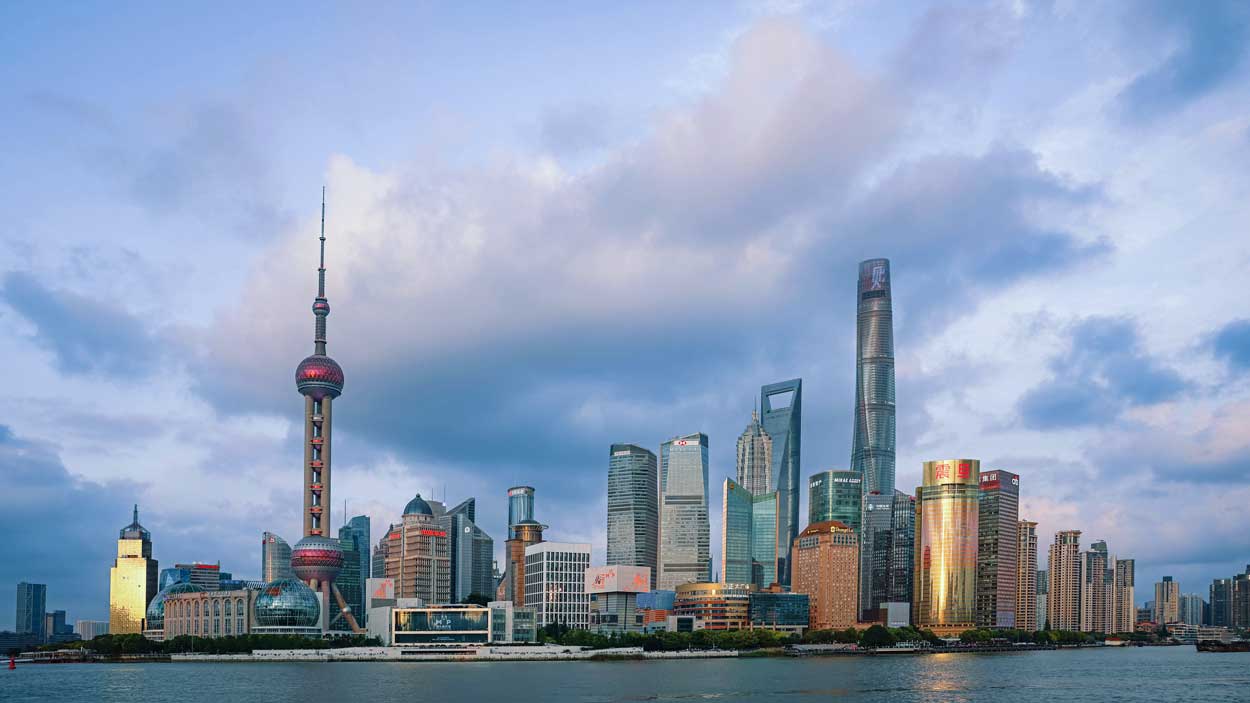
The China we were told about… and the China we found.
The Middle Kingdom has been talked about for centuries. Some stories are true. Some aren’t.
Growing up, most of us heard some version of the same line: China is communist, communist means bad, end of story. Instead of relying on opinions, we explored China for ourselves — one city, one meal, one conversation, and one experience at a time.
We took our 6-year-old through Beijing, Zhangjiajie, Xi’an and Shanghai. We rode Didi and high-speed rail, worked around blocked internet, hit the major sights, and camped on the Great Wall.
China looked different on the ground than it does online. Here’s what is China really like or what stood out.
Disclaimer: Our blog posts contain affiliate links. These don’t cost you anything, but they allow us to keep this site running and keep providing free content for our readers.
1. Daily Life Looks Normal
Most people were just living: commuting, shopping, eating out, running errands with their kids.
China’s government gets most of the coverage abroad. As a traveler, daily life is what you actually see.
2. Everywhere We Went Was Clean
Beijing, Zhangjiajie, Xi’an and Shanghai were all well kept. We oftentimes hear on the news that China is polluted, so was honestly surprised that it is very clean. Streets and stations were maintained, and we regularly saw crews sweeping and collecting trash.
That’s what we saw — not a claim that every corner of the country looks this way.
3. Smoking Is Everywhere
A strange contrast to how clean everything looked.
Smoking is far more common than in the U.S., especially among men. Our first Didi ride reeked of cigarette smoke from the driver.
Clean streets don’t mean smoke-free air.
4. Cameras Are Everywhere, Too
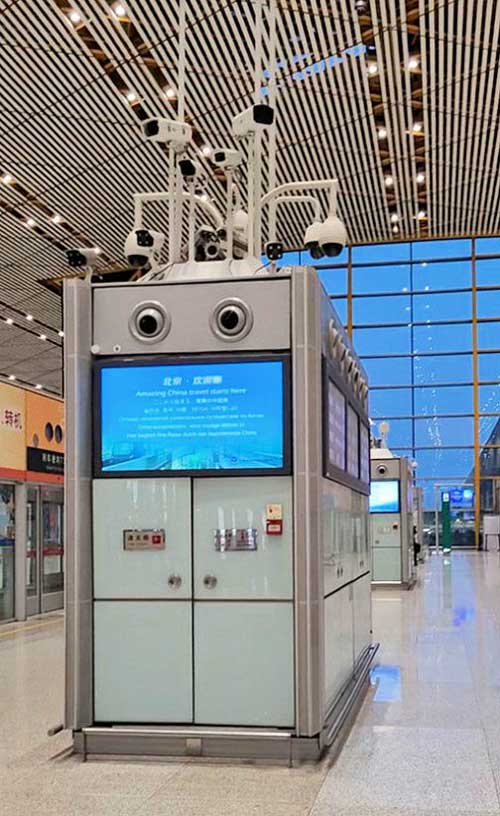
Not an exaggeration. Cameras line the streets, transit hubs, and tourist sites.
We noticed them for the first few days, even right at Beijing airport. After that, we stopped.
5. Your Phone Replaces Your Wallet
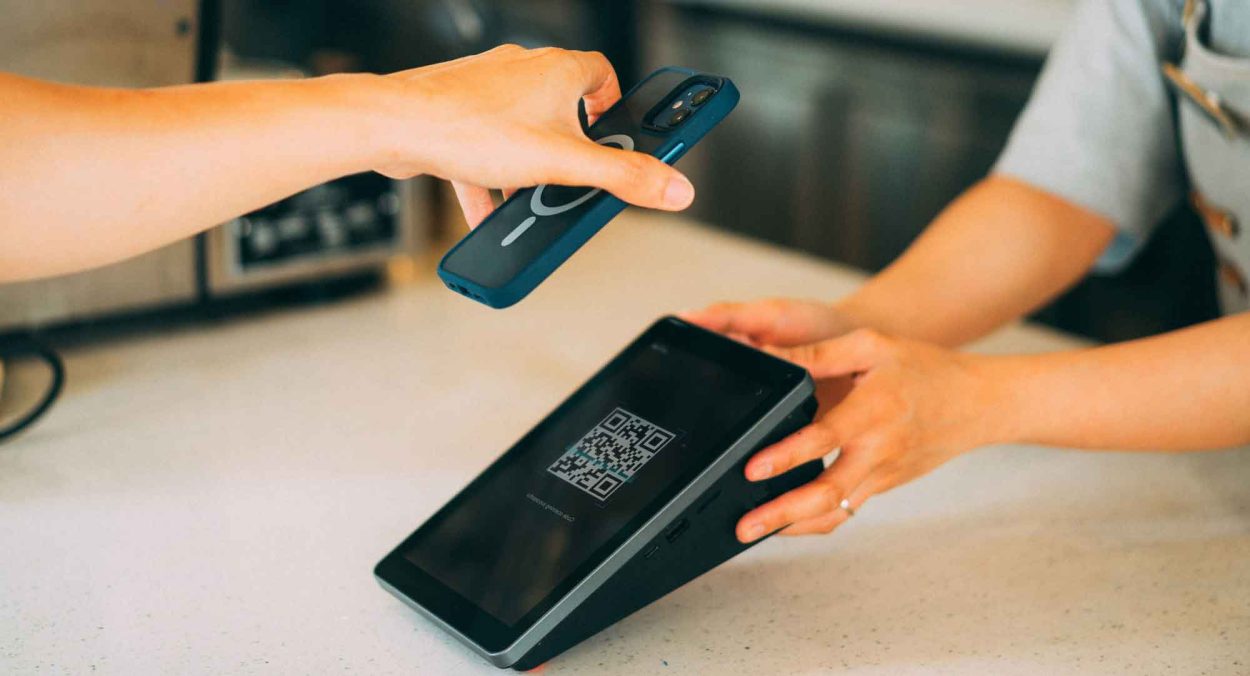
WeChat and Alipay run daily life — payments, rides, tickets, almost everything. We booked Didi through WeChat.
It’s fast once it’s set up. Getting a foreign card verified is the hard part.
6. Cashless in China ≠ Tap-to-Pay
China’s cashless system runs on QR codes, not Visa or Mastercard.
Our Alipay verification failed. WeChat Pay eventually worked. Set up more than one payment option before you land.
→ How to Pay in China as a Foreigner
7. The Internet Exists — Just Not the One You Know
Google, Gmail, Facebook, Instagram, WhatsApp and YouTube are blocked or restricted on mainland networks. China runs its own digital ecosystem instead.
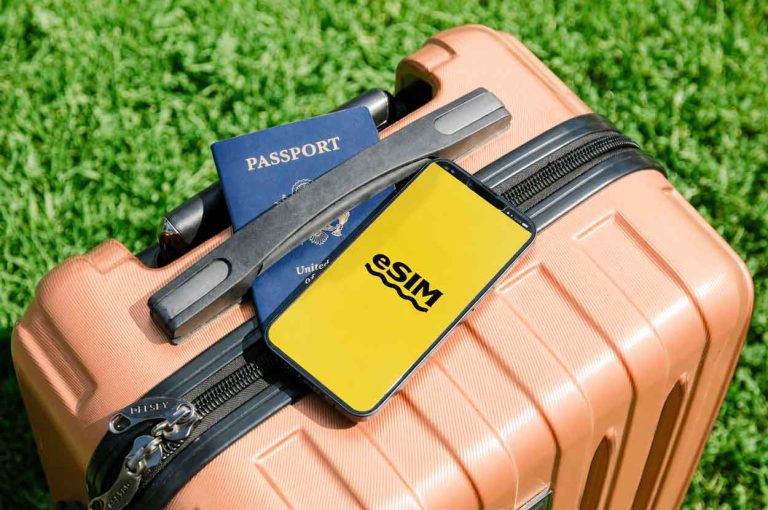
We used a physical SIM plus a VPN. It worked most of the time — we still lost connection a few times, including in Shanghai. Set this up before you fly, not after you land.
→ How to Get Internet in China: SIM, eSIM & VPN Guide
8. Some Tech Is Way More Integrated Than in the U.S. — If You’re Local
QR payments, ride-hailing, digital tickets and high-speed rail all talk to each other smoothly. But the system is built for Chinese ID and Chinese cards.
What takes a local ten seconds can leave a foreign visitor stuck at a verification screen.
9. China Runs the World’s Largest High-Speed Rail Network
China closed out 2025 with over 50,000 km of high-speed rail in operation — more than the rest of the world combined. Many lines run around 300 km/h (186 mph), and the stations feel more like airports than train stations.
We rode a bullet train just to say we did. Worth it.
→ Book high-speed rail tickets
10. There’s Far More to See Than the Great Wall
China has 61 UNESCO World Heritage Sites — 42 cultural, 15 natural, 4 mixed.
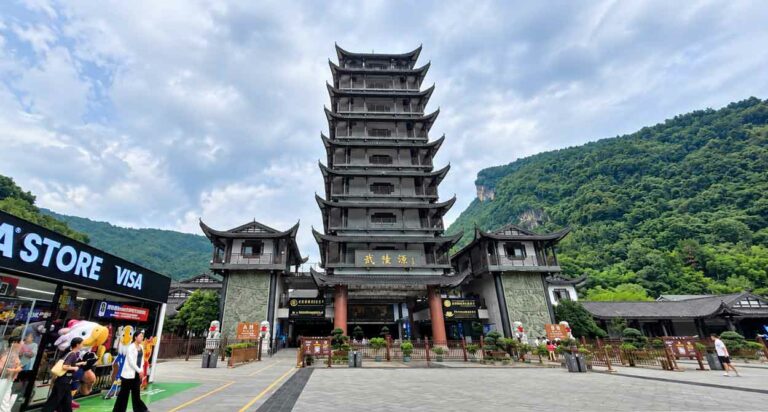
Zhangjiajie’s Wulingyuan area alone has over 3,000 sandstone pillars, some rising past 200 meters. Add karst landscapes, red-rock Danxia formations, deserts, glaciers and high mountains, and the Great Wall and Forbidden City are just the start.
We covered several UNESCO sites on this trip and still barely scratched the surface.
11. China Isn’t Simply Communist or Capitalist
Communist Party control sits alongside private companies, foreign investment, billionaires and luxury brands — largely the result of economic reforms under Deng Xiaoping after Mao.
One label doesn’t cover it.
12. It Wasn’t All Built From One Master Plan
Many reforms were tested locally before rolling out nationwide. Shenzhen is the clearest example: named a Special Economic Zone in 1980, it grew into a major tech and manufacturing hub.
Test small, then scale — that’s the pattern.
Taking the Kids to China? Start Here.
China takes more prep than most trips.
Payments, internet, apps and transportation work differently. Get our free China Travel Cheat Sheet with the practical things we used and learned on our trip.
Enter your email and I’ll send it straight to your inbox.
No spam—just the cheat sheet and occasional practical family travel tips. Unsubscribe anytime.
13. History Explains the Sensitivities
The Opium Wars, unequal treaties, foreign concessions and the Japanese invasion make up what’s often called China’s “Century of Humiliation.”
That history is why sovereignty and foreign interference remain touchy subjects.
14. Mao’s Portrait Still Hangs. His Economics Don’t.
Mao’s face still watches over Tiananmen Square and sits on the currency. Steps away: international brands, private companies, and wealthy entrepreneurs.
China rewrote its economy without rewriting its founding story.
15. The One-Child Policy Still Shapes China
The policy ended, but the effects didn’t: an aging population, smaller families, a shrinking younger workforce.
Some only children face responsibility for two parents and four grandparents—the often-discussed “4-2-1” family structure.
China once tried to reduce births. Now it wants more babies.
Changing the policy was easy. Changing the demographics isn’t.
The same government that once restricted births now pushes families to have more.
16. “Ghost Cities” Are More Complicated Than the Headlines
China did overbuild during its property boom — some developments sat empty, others filled up later than planned.
Construction and land sales also became a core part of local government financing. The real question isn’t why empty buildings exist. It’s why so much got built, so fast.
17. China Isn’t the Story Either Side Tells Online
It’s not the dystopia some videos claim. It’s not the flawless, futuristic utopia in others, either.
We saw cameras everywhere and dealt with blocked apps. We also saw clean streets, efficient transit, massive infrastructure, and ordinary families going about their day. We used a mobile payment system more advanced than anything at home — while getting stuck on foreign-ID verification. We rode a 300 km/h train and slept inside a 600-year-old watchtower on the same trip.
Both are China.
So, What Is China Really Like for Travelers?
One trip doesn’t make anyone an expert. But it’s enough to be skeptical of anyone who sums up a country this size in one sentence.
China has real restrictions travelers need to plan around. It also has more history, landscape and sheer scale than most people expect going in.
Sort out your internet, payments, apps and transportation before you fly. Then go see it yourself.
We roam first. You travel smarter.
More China Travel Guides and Tips:
- 2 Day Great Wall of China Itinerary: Jinshanling, Gubeikou & Mutianyu
- How to Pay in China as a Foreigner in 2026: Alipay, WeChat Pay, Cash & Cards
- Jian Guo Garden Hotel Review: Our 2026 Beijing Stay
- 5 Day Beijing Itinerary With Kids
- 25 Essential Beijing Travel Tips for First-Time Visitors
- How to Get Internet in China: SIM, eSIM & VPN Guide (2026)
- We Slept Inside a Great Wall Watchtower: What It Was Really Like
- Is the Great Wall of China Hard to Climb? What It’s Really Like
- What Is China Really Like? 17 Things We Didn’t Understand Until We Went