
Agrasen Ki Baoli: Visiting Delhi’s Famous Stepwell
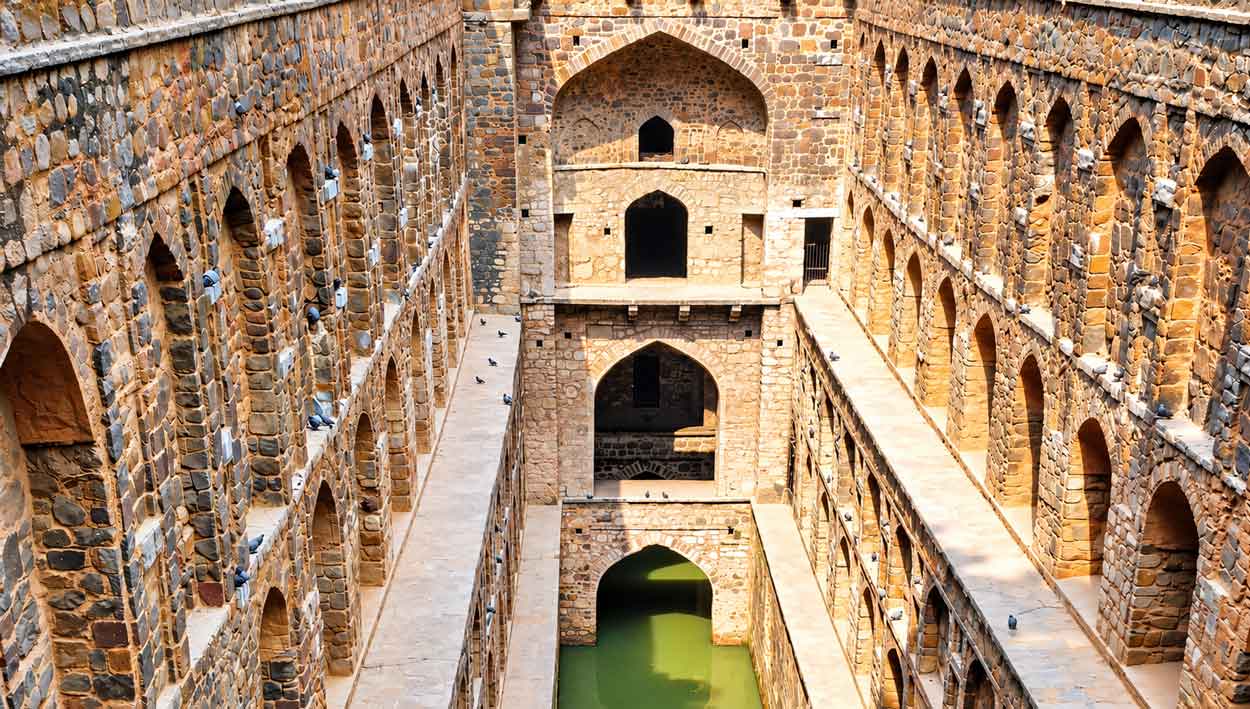
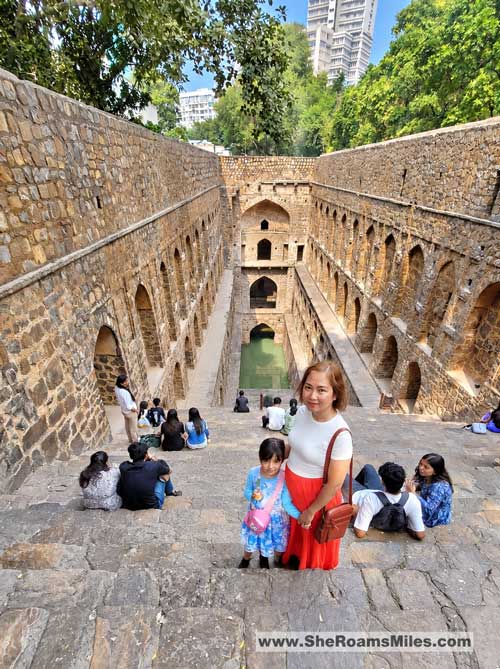
Agrasen Ki Baoli was one of the most unusual places we visited in Delhi. From street level, we looked down into a long stone staircase surrounded by rows of arches, with the structure dropping deep below the city. Our daughter loved those stairs.
Getting there was memorable too. We were traveling with a guide, and the approach took us through a narrow street where there was barely room for one car. One driver didn’t want to continue because the street was so tight. Thankfully, our guide knew the area and got us there.
We visited in late October during our short trip through India, after flying in from the Philippines via Thailand using a mix of Chase and Amex points. Agrasen Ki Baoli didn’t take a large part of our sightseeing day, so it was easy to fit in with the city’s bigger attractions.
If you’re deciding whether to add it to a Delhi day, here’s what it was like, how long to allow, how to get there, and why we’d book a guide again.
Is Agrasen Ki Baoli Worth Visiting?
Agrasen Ki Baoli is worth visiting if you’re already sightseeing in central Delhi. The historic stepwell descends below street level between high stone walls lined with arches.
- Location: Hailey Road near Connaught Place
- Hours: 9:00 AM–5:30 PM daily
- Time to allow: About 30–60 minutes
- Best for: Architecture, history and photography
- Movie location: Featured in PK and Sultan
Disclaimer: This post contains affiliate links. They don’t cost you anything, but they help keep SheRoamsMiles running.
What Is Agrasen Ki Baoli?
Agrasen Ki Baoli is a historic stepwell in central Delhi protected by the Archaeological Survey of India. It measures approximately 60 meters long and 15 meters wide.
A baoli is a stepwell designed to store water while allowing people to descend toward the water as its level changed.
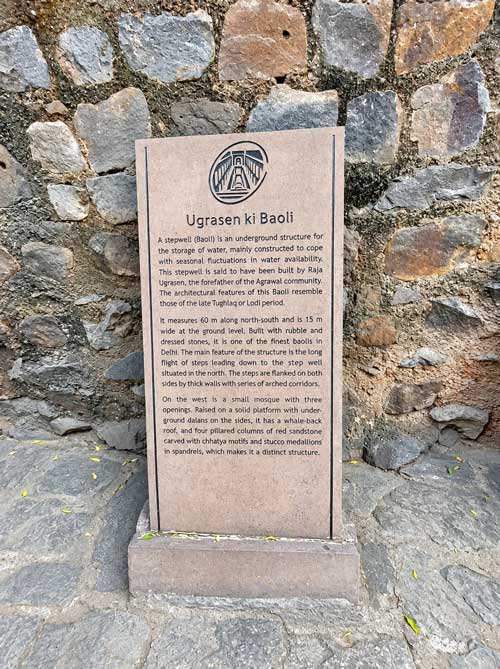
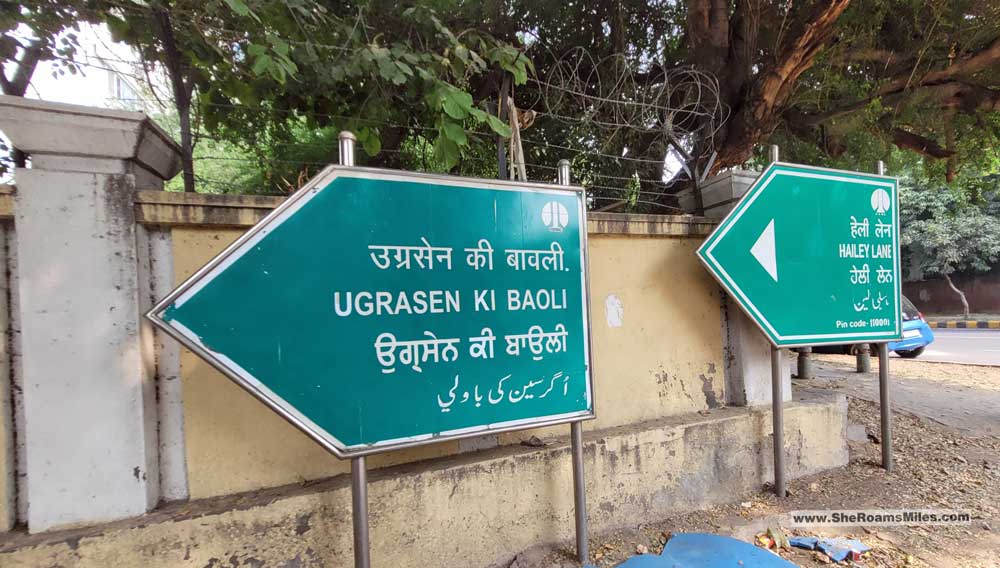
The information sign we photographed at the site calls this one Ugrasen ki Baoli. You’ll see both Ugrasen and Agrasen used for the monument; I’ll use Agrasen Ki Baoli here because that’s the name commonly used by Delhi’s tourism authorities today.
Our Visit to Agrasen Ki Baoli
My first reaction was to its scale.
From the top, I could look down the long staircase while the stone walls rose on both sides. Standing there made the depth much more noticeable than I expected.
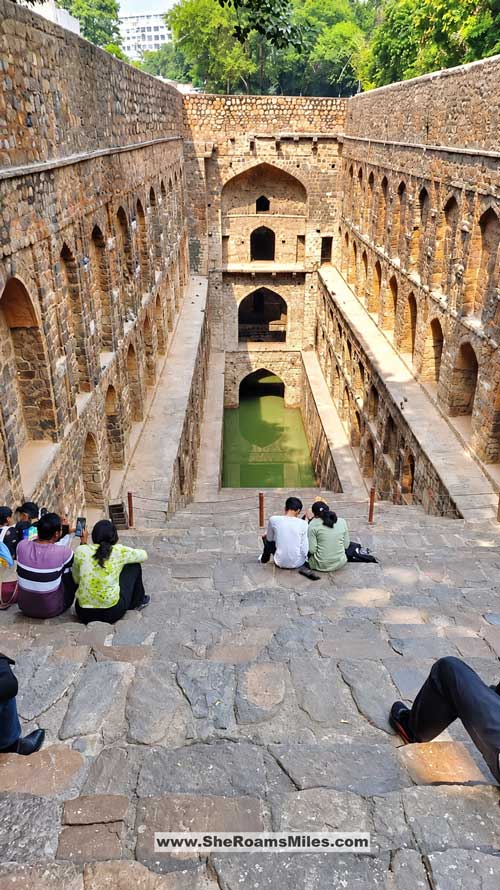
We walked down and explored the structure. Looking back toward street level gave me an even better sense of how far we’d descended below the surrounding city.
The staircase immediately draws your eye, but the view changes as you go down. From above, you see the overall shape of the baoli. Lower down, you’re surrounded by the stone walls and repeated arches.
There’s Still Water at the Bottom
There was still water at the bottom when we visited, although the stepwell is no longer being used as a water source.
It appeared murky green and opaque, standing beneath the stone arches at the lowest part of the baoli. Seeing it at the bottom made the original purpose of the structure easier to understand.
Agrasen Ki Baoli History
The exact origins of Agrasen Ki Baoli aren’t documented with certainty.
The information sign at the monument says the stepwell is said to have been built by Raja Ugrasen, whom it describes as the forefather of the Agrawal community. The sign also says its architectural features resemble those of the late Tughlaq or Lodi period.
The Ministry of Tourism likewise says there are few historical records identifying its creator. Its current Agrasen Ki Baoli page presents the connection to King Agrasen as traditional attribution and says the structure was probably repaired during the Tughlaq or Lodi eras.
You’ll also encounter stories connecting Agrasen Ki Baoli to the Mahabharata era. The Ministry of Tourism describes that as another legend.
The sign we saw also describes the long staircase leading toward the well, thick walls with rows of arched corridors and a small mosque on the western side.
You can read more about the monument’s documented history on the official Incredible India Agrasen Ki Baoli page.
How Many Steps Does Agrasen Ki Baoli Have?
You’ll find conflicting numbers even in official tourism sources.
Delhi Tourism describes Agrasen Ki Baoli as having 103 stairs, while the Ministry of Tourism’s Incredible India page gives 108 steps.
The sign we photographed at the monument describes the long staircase without giving a count.
I wouldn’t worry about the exact number when planning your visit. If you want to explore the lower levels, expect a substantial stone staircase that you’ll have to climb again on the way out.
Agrasen Ki Baoli Was Really a Movie Set
Agrasen Ki Baoli has been used as a filming location for Indian movies. Delhi Tourism documents PK and Sultan among the films shot here; its cinema guide specifically shows Agrasen Ki Baoli as the Delhi living space used by Aamir Khan’s character in PK.
Once you’ve stood inside, it’s easy to see why filmmakers use it. The long staircase creates a strong line through the center, while the repeating arches frame both sides.
Where Is Agrasen Ki Baoli?
Agrasen Ki Baoli is on Hailey Road near Connaught Place in New Delhi. Delhi Tourism describes it as a short walk from Jantar Mantar.
How to Get to Agrasen Ki Baoli
We arrived by car with our guide.
For visitors using public transportation, the nearest Metro station is Barakhamba Road on the Blue Line, about a 10-minute walk. Janpath on the Violet Line is a little farther.
Use current navigation for the final approach because traffic and access conditions can change.
Delhi Tourism’s Agrasen Ki Baoli page
Why We Booked a Guided Delhi Tour
We booked a full-day guided tour of Delhi, and Agrasen Ki Baoli was one of the stops. Entry fees were included in the tour price, and the tour linked below is very similar to the one we took.
It worked for us for three reasons:
Traveling with our daughter. Having someone else manage the logistics meant one less thing for us to juggle.
Getting there. On that narrow final street, our guide’s local knowledge made the difference.
Time. We had very little time in India. Our guide planned the route, handled the traffic, and set the order of stops, so we spent the day seeing Delhi instead of navigating it.
Book a Delhi day tour like ours →
Agrasen Ki Baoli Timings and Entry Fee
Delhi Tourism currently lists Agrasen Ki Baoli as:
Opening hours: 9:00 AM–5:30 PM Days: Open daily Entry fee: Free
For current access information close to your trip, check Delhi Tourism’s Agrasen Ki Baoli page before you go.
How Long Do You Need at Agrasen Ki Baoli?
I’d allow about 30–60 minutes to walk around, descend the steps and take photos.
You could spend less if you’re stopping for a quick look. Someone particularly interested in the architecture or photography could stay longer.
Is Agrasen Ki Baoli Haunted?
Agrasen Ki Baoli has attracted stories about being haunted, including a legend involving the water that once filled the stepwell.
The Ministry of Tourism describes the supernatural story as folklore and says there is no concrete evidence supporting the paranormal claims.
We didn’t experience anything unusual during our visit.
Is Agrasen Ki Baoli Good for Photos?
Yes. Moving just a few steps changes the photograph.
From street level, you can emphasize the depth of the staircase. Partway down, the arches and stone walls become more prominent. From below, looking back toward the entrance shows how deeply the structure sits beneath the surrounding streets.
I’d photograph it from more than one level rather than taking everything from the top.
Visiting Agrasen Ki Baoli With a Young Child
For families, the main consideration is the long stone staircase.
Keep young children close as you descend and climb back up. You also don’t have to walk all the way to the bottom to appreciate the site; the higher levels already give you a good view of the architecture and depth.
What Else Is Near Agrasen Ki Baoli?
Connaught Place and Jantar Mantar are easy places to add to the same part of your sightseeing day.
See how we fit it into our Delhi itinerary / Things to Do in Delhi.
Are There Other Stepwells in Delhi?
Yes. Agrasen Ki Baoli isn’t Delhi’s only historic baoli.
Delhi Tourism identifies Nizamuddin Baoli, Purana Qila Baoli and the baolis at Tughlaqabad Fort among the city’s heritage water bodies. Rajon Ki Baoli is another historic stepwell at Mehrauli Archaeological Park.
We visited Agrasen Ki Baoli, so that’s the one I’m describing from firsthand experience. If stepwells are a major interest for you, Delhi has others to explore.
Is Agrasen Ki Baoli Worth Adding to Your Delhi Itinerary?
For us, yes.
We had very limited time in India, and Agrasen Ki Baoli gave us something completely different from Delhi’s larger monuments.
I remember standing at street level, looking down into the baoli and thinking it looked like a movie set.
Planning the rest of your day? See our Delhi itinerary for the other places we visited and how we put the route together.
Book a guided Delhi day tour with stepwell →




2 Comments